
Bring instant calm
to every care moment
Plug & play tools that shift focus during stressful procedures.
Developed at the bedside, proven by science.
Experience what we stand for
Bring instant calm to every care moment
Plug & play tools that shift focus during stressful procedures. Developed at the bedside, proven by science.
Experience what we stand for
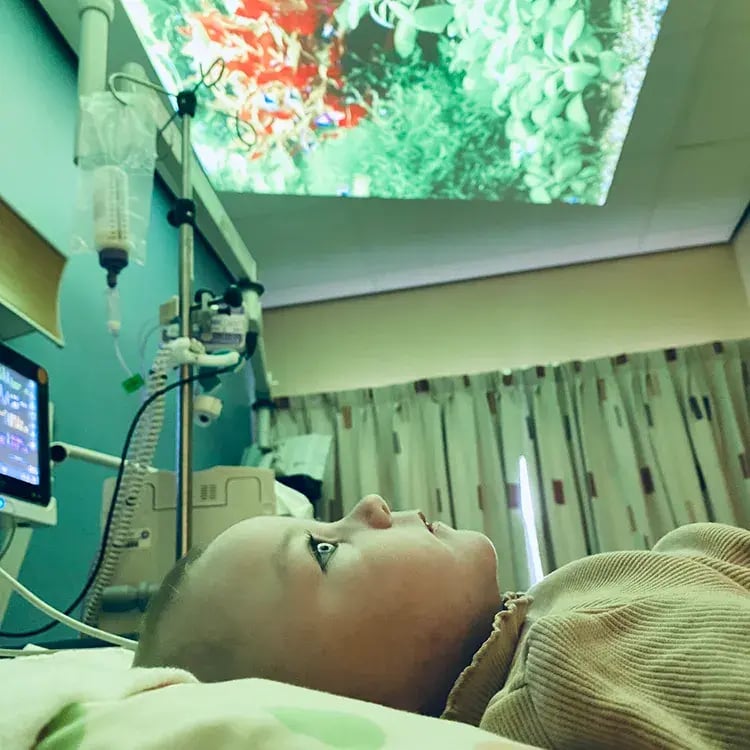
No unnecessary stress or anxiety during care situations
At Qwiek, we believe that care—no matter how challenging or medically necessary—should never come at the expense of a person’s dignity. However, in the hustle and bustle of the day, we often see that medical procedures such as inserting an IV, treating a wound, or daily bathing can completely escalate. Not because of unwillingness or a lack of effort, but because of fear and panic.
When calm words no longer get through, a situation of helplessness arises. Based on our conviction that we can prevent such escalations together, we develop effective tools that immediately restore calm.
Our tools immediately calm the nervous system and the well-known “fight-or-flight” response. Stress responses subside immediately, even before the medical procedure or ADL care begins.
Inspired by the procedural comfort care method (via the PROSA Knowledge Center). By positively focusing attention through sight, sound, and touch, the brain simply has less capacity to process pain and anxiety stimuli. The stressors are completely pushed into the background.
Prevent powerlessness and distress during care. By de-escalating the situation in a timely manner, you can prevent trauma, reduce the likelihood of needing physical restraint, often minimize the need for medication, and allow the team to complete the procedure calmly and efficiently.
No unnecessary stress or anxiety during care situations
At Qwiek, we believe that care—no matter how challenging or medically necessary—should never come at the expense of a person’s dignity. However, in the hustle and bustle of the day, we often see that medical procedures such as inserting an IV, treating a wound, or daily bathing can completely escalate. Not because of unwillingness or a lack of effort, but because of fear and panic.
When calm words no longer get through, a situation of helplessness arises. Based on the conviction that we can prevent this escalation together, we develop effective tools that immediately restore calm.
Our tools immediately calm the nervous system and the well-known “fight-or-flight” response. Stress responses subside immediately, even before the medical procedure or ADL care begins.
Inspired by the procedural comfort care method (via the PROSA Knowledge Center). By positively focusing attention through sight, sound, and touch, the brain simply has less capacity to process pain and anxiety stimuli. The stressors are completely pushed into the background.
Prevent powerlessness and distress during care. By de-escalating the situation in a timely manner, you can prevent trauma, reduce the likelihood of needing physical restraint, often minimize the need for medication, and allow the team to complete the procedure calmly and efficiently.

More comfort for everyone: How we tangibly reduce restlessness in elderly care
Restlessness in elderly care presents caregivers with major challenges every single day. But how can this restlessness be reduced effectively and empathetically? In our magazine, we take an in-depth look at the root causes and show practical solutions that make a real difference in daily care routines.
More comfort for everyone: How we tangibly reduce restlessness in elderly care
Restlessness in elderly care presents caregivers with major challenges every single day. But how can this restlessness be reduced effectively and empathetically? In our magazine, we take an in-depth look at the root causes and show practical solutions that make a real difference in daily care routines.
Why 3,000+ healthcare organizations rely on Qwiek
Why 3,000+ healthcare organizations rely on Qwiek
Our three tools for distraction:
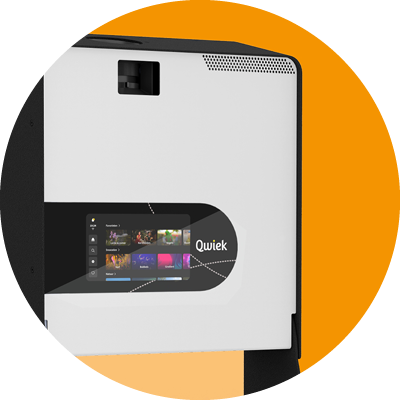
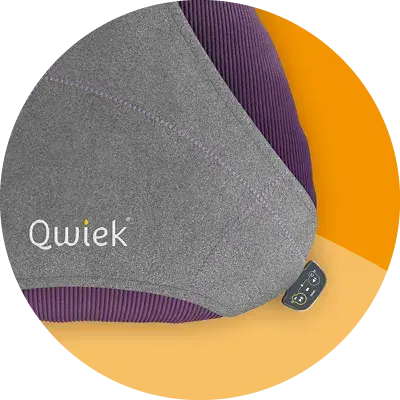
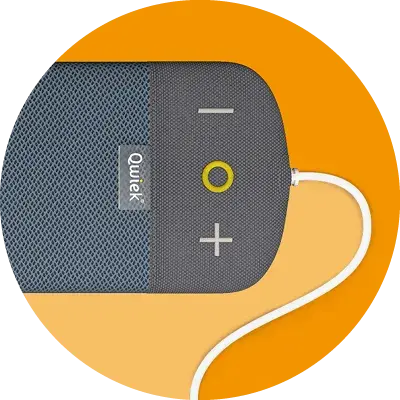
Qwiek.up
A portable projector that actively shifts the client’s focus during stressful care situations using soothing projections and sound.
Qwiek.embrace
A weighted hug pillow that provides immediate comfort and physical relaxation through Deep Pressure Stimulation (DPS) and gentle vibrations and sounds.
Qwiek.snooze
A therapeutic music pillow that helps reduce nighttime restlessness with personalized, soothing music.
Our three tools for distraction:
Qwiek.up
A portable projector that actively shifts the client’s focus during stressful care situations using soothing projections and sound.
Qwiek.embrace
A weighted hug pillow that provides immediate comfort and physical relaxation through Deep Pressure Stimulation (DPS) and gentle vibrations and sounds.
Qwiek.snooze
A therapeutic music pillow that helps reduce nighttime restlessness with personalized, soothing music.
What customers say about us:
What customers say about us:
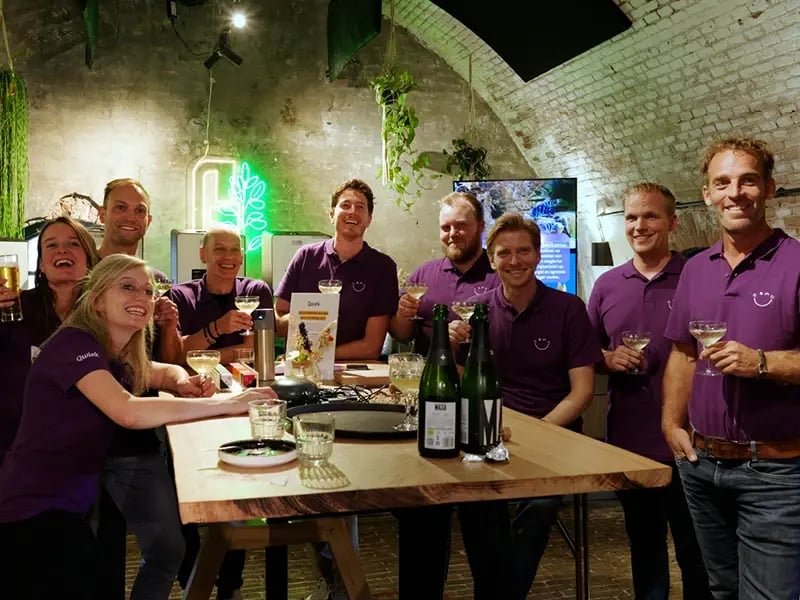
Meet the dream team
As you can see above: we don’t build our tools from an ivory tower, but together with the people on the front lines. And that calls for a specific kind of team. We’re a group of designers, tech experts, and consultants with a healthy dose of stubbornness and a deep passion for what we do.
While persistent problems in healthcare can sometimes feel overwhelming, we find it fascinating to explore how things can actually work. We ask the questions that might be a little uncomfortable, design solutions that are just a little different so they actually work on the front lines, and travel far and wide to gather the best insights and support you.
And because we’re quite proud of the people who make this happen every day, we’d love to introduce our team to you below.
Meet the dream team
As you can see above: we don’t build our tools from an ivory tower, but together with the people on the front lines. And that calls for a specific kind of team. We’re a group of designers, tech experts, and consultants with a healthy dose of stubbornness and a deep passion for what we do.
While persistent problems in healthcare can sometimes feel overwhelming, we find it fascinating to explore how things can actually work. We ask the questions that might be a little uncomfortable, design solutions that are just a little different so they actually work on the front lines, and travel far and wide to gather the best insights and support you.
And because we’re quite proud of the people who make this happen every day, we’d love to introduce our team to you below.